How Does Iverheal 6 mg Work? Mechanism of Action, Uses, Benefits, and Safety
Introduction
Iverheal 6 mg is marketed as a medicine containing ivermectin, an antiparasitic drug used to treat certain infections caused by parasites. It works by interfering with specific nerve and muscle functions in susceptible parasites, causing paralysis and helping the body eliminate them. The medicine is used for selected parasitic conditions, and its suitability depends on the diagnosis and the patient’s individual circumstances.
Understanding how Iverheal 6 mg works can help explain why ivermectin is effective against some parasites but not others. It is also important to understand that the tablet strength does not determine the correct dose for everyone. Treatment depends on the type of infection, body weight, medical history, and professional guidance.
This article explains the mechanism of action of ivermectin, its recognised medical uses, how long it may take to work, potential side effects, dosage considerations, precautions, and frequently asked questions.
What Is Iverheal 6 mg?
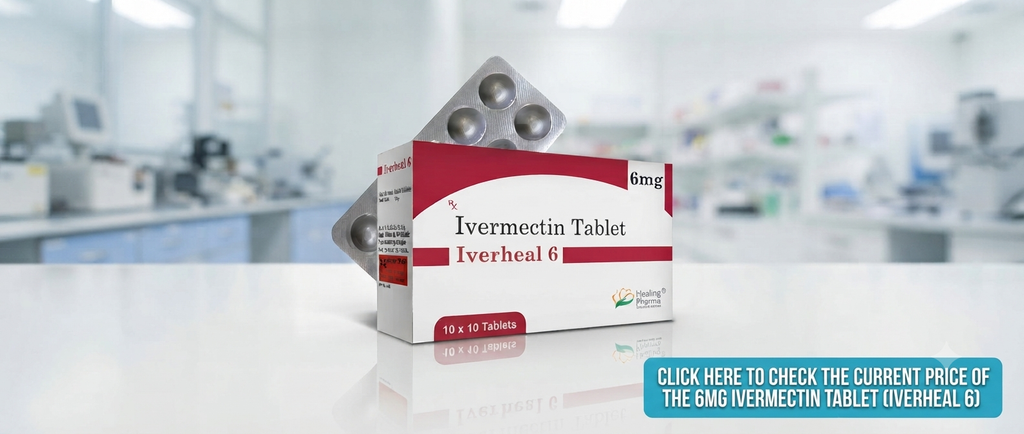
Iverheal 6 mg is a tablet product marketed as containing 6 mg of ivermectin. Ivermectin belongs to the avermectin class of antiparasitic medicines. It is used in human medicine to treat certain parasitic infections, including intestinal strongyloidiasis and onchocerciasis. Oral ivermectin may also be prescribed for scabies in selected situations under appropriate clinical guidance.
Ivermectin targets biological processes in susceptible parasites. Unlike antibiotics, which are used against certain bacterial infections, ivermectin acts against particular parasites. It is not effective against every worm, mite, or infectious organism.
Before taking Iverheal 6 mg, check the packaging to confirm the active ingredient, strength, expiry date, and that the product is intended for human use. Product names and availability can vary between markets, so do not rely on the brand name alone.
How Does Iverheal 6 mg Work in the Body?
The main active ingredient in Iverheal 6 mg is marketed as ivermectin. At a biological level, ivermectin interferes with how susceptible parasites transmit nerve signals and control muscle activity.
1. It Targets Specific Channels in Parasite Cells
Ivermectin binds to particular structures called glutamate-gated chloride channels. These channels are found in the nerve and muscle cells of many invertebrates, including susceptible parasites.
Under normal circumstances, these channels help regulate electrical activity in parasite cells. Ivermectin changes how the channels function, allowing more chloride ions to pass through cell membranes.
2. It Disrupts Normal Nerve Signalling
The increased movement of chloride ions changes the electrical state of the parasite’s nerve and muscle cells. This process, known as hyperpolarisation, interferes with normal nerve signalling.
As the parasite’s nerve and muscle functions become disrupted, it loses the ability to move and function normally.
3. It Causes Paralysis in Susceptible Parasites
The disruption can lead to paralysis and death of susceptible parasites. Depending on the parasite and infection, this helps reduce the number of organisms responsible for the disease.
Ivermectin does not affect all parasites in the same way. Its effectiveness depends on the species involved and the stage of the parasite’s life cycle.
4. It Helps the Body Clear the Infection
Once susceptible parasites are disabled or killed, the body can clear them through its normal biological processes. However, symptom improvement and complete clearance of an infection are not always immediate.
Some infections require follow-up testing, additional treatment, or other measures to prevent reinfection. A healthcare professional can determine whether treatment has been successful.
The mechanism of ivermectin is described in official drug information published through the U.S. National Library of Medicine’s DailyMed database.
Why Does Ivermectin Mainly Target Parasites?
Ivermectin has a degree of selectivity because the biological targets it acts on are different in parasites and humans. Mammals do not have the same glutamate-gated chloride channels found in many invertebrates, and ivermectin has relatively low affinity for mammalian ligand-gated chloride channels.
Ivermectin also does not readily cross the blood-brain barrier under normal circumstances. These factors help explain its selective antiparasitic activity.
However, selectivity does not mean that the medicine is risk-free. Incorrect dosing, certain medical conditions, interactions, and individual sensitivity can contribute to adverse effects. It is important to take ivermectin only for an appropriate medical indication and as directed by a qualified healthcare professional.
What Infections Can Iverheal 6 mg Help Treat?
The appropriate uses depend on the active ingredient, the product’s authorisation in the relevant country, and the clinician’s assessment. Ivermectin has established uses for certain parasitic infections.
1. Strongyloidiasis
Strongyloidiasis is caused by the intestinal parasitic worm Strongyloides stercoralis. Infection can occur when larvae in contaminated soil penetrate the skin.
Some people have few or no symptoms, while others may experience abdominal pain, diarrhoea, skin irritation, or respiratory symptoms. Severe infection can occur in some people with weakened immune systems.
Ivermectin is a first-line treatment for uncomplicated strongyloidiasis in many clinical guidelines. Depending on the case, follow-up assessment or stool testing may be needed to confirm that the infection has cleared.
2. Onchocerciasis
Onchocerciasis, also known as river blindness, is caused by Onchocerca volvulus and is transmitted through the bites of infected blackflies.
The infection may cause severe itching, skin changes, and eye complications. Ivermectin reduces the number of immature worms, called microfilariae, which contribute to symptoms and tissue damage.
Importantly, ivermectin does not reliably kill the adult worms. Treatment may need to be repeated under clinical or public-health guidance. People with possible exposure to Loa loa, a different parasitic worm found in parts of Central and West Africa, require special assessment because treatment can cause severe complications in people with that infection.
3. Scabies in Selected Cases
Scabies is a contagious skin infestation caused by the mite Sarcoptes scabiei. It commonly causes intense itching, often worse at night, and a rash that may affect the fingers, wrists, waist, and other parts of the body.
Oral ivermectin may be prescribed for certain people with scabies when topical treatment is unsuitable or has not worked, or when a clinician considers oral treatment appropriate. Local guidelines and product approvals differ.
Ivermectin does not reliably kill scabies eggs. For this reason, a clinician may recommend a repeat treatment at a specific interval. Close contacts may also need treatment, and clothing and bedding may need to be managed according to medical advice.
4. Other Parasitic Conditions
Ivermectin may be used in particular clinical circumstances for other parasitic conditions, but it is not a universal deworming medicine. Many parasites require different treatments.
Do not assume that Iverheal 6 mg treats every type of intestinal worm, lice infestation, or skin complaint. A correct diagnosis is important because similar symptoms can have different causes and require different medicines.
How Long Does Iverheal 6 mg Take to Work?
The time required for ivermectin to produce a noticeable improvement depends on the infection, the number of parasites present, and the person’s response to treatment.
Ivermectin is absorbed after oral administration, and official prescribing information reports that peak plasma concentrations following a studied 12 mg dose generally occurred at around four hours in fasting healthy volunteers. This pharmacokinetic information does not mean that symptoms will resolve within four hours or that the same timing applies to every dose or patient.
Symptoms may take longer to improve, even after the medicine has started affecting susceptible parasites.
For example, itching caused by scabies may continue for some time after successful treatment because the skin remains irritated. If new lesions appear, symptoms worsen, or the expected improvement does not occur, a healthcare professional should reassess the situation.
Do not take extra tablets simply because you cannot feel the medicine working.
How Should Iverheal 6 mg Be Taken?
The correct ivermectin regimen depends on the infection being treated, body weight, medical history, and clinical guidance. The strength of a tablet alone does not determine the appropriate dose.
A healthcare professional may consider:
- The parasite responsible for the infection.
- The patient’s body weight and age.
- Pregnancy or breastfeeding status.
- Existing medical conditions.
- Other medicines and supplements.
- Whether repeat treatment or follow-up tests are required.
Take the medicine only according to the prescription and the specific product instructions. Do not increase the dose, take it more frequently, or repeat treatment without professional advice.
Instructions about taking ivermectin with food can vary by product and indication. Follow the directions provided for your particular prescription, and ask a pharmacist if the instructions are unclear.
What Are the Possible Side Effects of Iverheal 6 mg?
Ivermectin can cause side effects, although not everyone experiences them. The type and severity of a reaction may depend on the individual, the infection, and the treatment regimen.
Common Side Effects
Possible side effects include:
- Dizziness or light-headedness.
- Headache.
- Nausea.
- Diarrhoea.
- Abdominal discomfort.
- Fatigue.
- Itching or skin irritation.
- Muscle or joint discomfort.
Contact a healthcare professional if these symptoms are persistent, severe, or concerning.
Serious Side Effects
Seek urgent medical attention if you experience:
- Difficulty breathing or swelling of the face, lips, tongue, or throat.
- A severe rash, blistering, or skin peeling.
- Confusion or extreme drowsiness.
- Seizures or loss of coordination.
- Significant vision changes.
- Fainting or other severe symptoms after taking the medicine.
In certain parasitic infections, inflammatory reactions can occur as parasites die. People being treated for onchocerciasis may experience symptoms associated with the Mazzotti reaction, such as fever, itching, rash, swollen lymph nodes, or muscle and joint pain. Significant symptoms should be assessed by a healthcare professional.
Who Should Be Careful Before Taking Iverheal 6 mg?
Ivermectin is not suitable for everyone. Discuss your medical history with your healthcare professional before taking it.
Pregnancy and Breastfeeding
If you are pregnant, planning to become pregnant, or breastfeeding, seek medical advice before using ivermectin. A clinician must weigh the risks of the infection against the potential risks of treatment.
Children
Whether ivermectin is suitable for a child depends on the child’s weight, age, diagnosis, and current clinical guidance. Safety has not been firmly established for children weighing less than 15 kg for several uses. Never estimate a child’s dose independently.
Liver Disease and Other Conditions
Tell your healthcare professional if you have liver disease, neurological problems, a weakened immune system, or other significant medical conditions. These factors may affect the treatment plan or the need for monitoring.
Travel or Residence in Endemic Areas
If you have lived in or travelled to parts of Central or West Africa where Loa loa infection occurs, disclose this before taking ivermectin. People with a high burden of this parasite can experience severe neurological complications following treatment.
Driving and Operating Machinery
Dizziness or fatigue may affect alertness. Avoid driving or operating machinery if you feel impaired after taking the medicine.
Can Iverheal 6 mg Interact With Other Medicines?
Tell your doctor or pharmacist about every medicine you take, including prescription drugs, over-the-counter medicines, vitamins, and herbal supplements.
Some medicines may affect how treatment should be managed or monitored. Anticoagulants such as warfarin may require particular attention in some circumstances. Your healthcare professional can assess potential interactions based on your complete medication list.
Do not stop prescribed medicines or change their doses without professional advice.
How Can You Use Iverheal 6 mg More Safely?
The following precautions can help reduce avoidable risks:
- Confirm the active ingredient and strength on the packaging.
- Use ivermectin only for a condition for which it has been recommended.
- Follow the prescribed dose and schedule.
- Do not take extra tablets or repeat treatment without medical advice.
- Tell your healthcare professional about other medicines and medical conditions.
- Seek advice before use during pregnancy or breastfeeding.
- Attend recommended follow-up appointments or tests.
- Keep medicine in its original packaging and away from children.
- Never substitute veterinary ivermectin for a product intended for human use.
If symptoms persist or worsen, seek reassessment rather than assuming that a higher dose will be more effective.
Frequently Asked Questions
1. How does Iverheal 6 mg work?
Iverheal 6 mg is marketed as containing ivermectin. The medicine targets specific chloride channels in susceptible parasites, disrupting nerve and muscle activity. This can cause paralysis and death of the parasites, allowing the body to clear the infection.
2. How quickly does Iverheal 6 mg start working?
Ivermectin is absorbed after it is taken, but the time until symptoms improve depends on the infection and individual response. Some symptoms, such as itching after scabies treatment, can continue even after successful treatment.
3. Does Iverheal 6 mg kill all parasites?
No. Ivermectin works against certain susceptible parasites and life-cycle stages, but it does not treat every parasitic infection. The correct medicine depends on the organism responsible for the condition.
4. Can Iverheal 6 mg treat scabies?
Oral ivermectin may be prescribed for scabies in selected circumstances. The treatment plan may require repeat dosing and other measures, depending on clinical guidance. Consult a healthcare professional to determine the appropriate treatment.
5. Can I take Iverheal 6 mg every day?
Do not take ivermectin daily unless a qualified healthcare professional has specifically prescribed a regimen requiring it. Many treatment regimens are not daily, and unnecessary or excessive use may increase the risk of harm.
6. What are the common side effects?
Possible side effects include dizziness, headache, nausea, diarrhoea, abdominal discomfort, fatigue, and itching. Severe allergic reactions, serious skin reactions, and neurological symptoms require urgent medical assessment.
7. Can children use Iverheal 6 mg?
A healthcare professional should determine whether ivermectin is appropriate for a child based on weight, age, diagnosis, and safety guidance. Do not give a child a dose without medical instructions.
8. Can I take Iverheal 6 mg with food?
Food instructions can vary by product and indication. Follow the directions on your prescription and product label. Ask your pharmacist if you are unsure.
9. What if I do not feel better after taking Iverheal 6 mg?
Contact your healthcare professional if symptoms persist, worsen, or return. You may need a reassessment, a different treatment, or follow-up testing. Do not take an extra dose on your own.
10. Is Iverheal 6 mg effective against viral infections?
Ivermectin is an antiparasitic medicine, not an established treatment for viral illnesses such as COVID-19. Use it only for an appropriate medical indication under professional guidance.
Conclusion
Iverheal 6 mg is marketed as a tablet containing ivermectin, an antiparasitic medicine that acts by disrupting nerve and muscle functions in susceptible parasites. This mechanism helps explain its use in certain infections, including strongyloidiasis and onchocerciasis, and its role in selected scabies treatment plans.
The medicine does not work against every parasite, and its effectiveness depends on the diagnosis and correct treatment regimen. Side effects and individual risk factors should also be considered. Confirm the product details, follow professional instructions, and seek medical advice if symptoms persist or serious reactions occur.
Medical disclaimer: This article is for general educational purposes only and does not replace individual medical advice, diagnosis, or prescribing. Consult a qualified healthcare professional before using ivermectin.